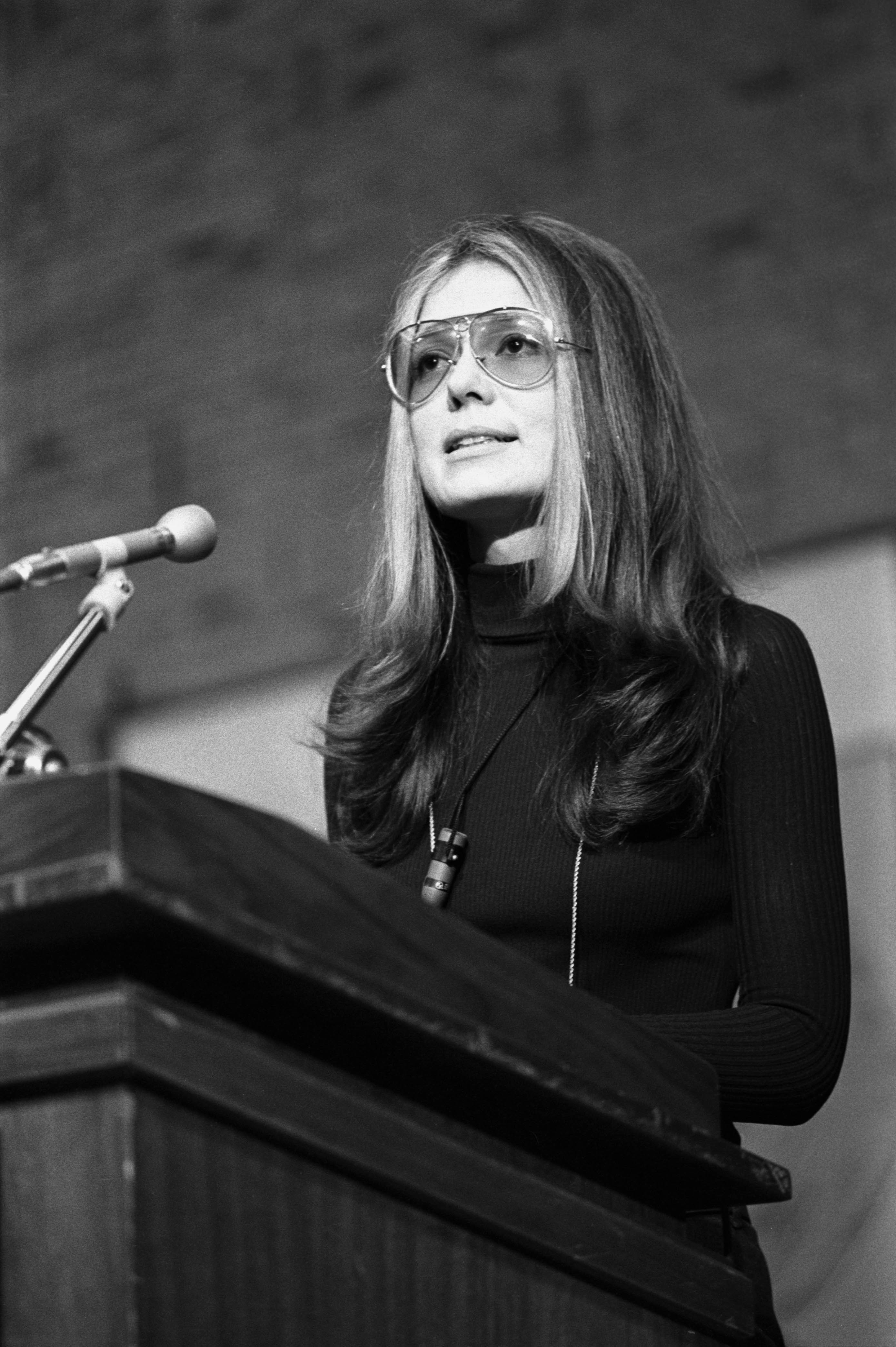
Amy Tan- 1952- born in the U.S. to immigrant parents from China, Amy Tan rejected her mother’s expectations that she become a doctor and concert pianist. She chose to write fiction instead. Her iconic novel, The Joy Luck Club, paved the way for many following authors of Asian descent. Her novels are The Joy Luck Club, The Kitchen God's Wife, The Hundred Secret Senses, The Bonesetter's Daughter, Saving Fish from Drowning, and The Valley of Amazement, all New York Times bestsellers. Her works have been translated into 35 different languages. Tan served as co-producer and co-screenwriter on the film adaptation of The Joy Luck Club. Amy Tan has served as lead rhythm “dominatrix,” backup singer, and second tambourine with the literary garage band, the Rock Bottom Remainders, whose members included Stephen King, Dave Barry, and Scott Turow. Their yearly gigs raised over a million dollars for literacy programs. - From the Steven Barcaly Agency Biography
___________________________________
Mrs. Reith's Agenda-
Open Letter Peer Editing
Today you will be completing peer edits of your classmates' open letters. Make sure you have copied the peer-edit document from Tuesday (I have included it in today's folder also) at the end of your rough draft and submitted the rough draft to turnitin. This must be done before peer edits can be completed.
1, Go to turnitin.com (you should have created your account on Tuesday). Select the Peermark assignment. This should pull up a classmate's assignment for you to peer edit. Follow the peer edit guidelines that were copied to the end of the rough draft.
Peer-editing etiquette:
- Read through the piece twice before adding comments. The first reading is to get familiar with the piece, and the second reading is your opportunity to really try to understand what is being said and how. Your most valuable editing advice will be focused on content, organization, and style.
- Read as if you are the intended reader. Read for content, not for grammatical errors.
- It is not your job to fix the problem. Bring problems to the writer's attention and do not take on the writer's work as your own. Point out what does and doesn't work for you as a reader.
- Constructive criticism: "Good job" does not suffice. Offering constructive criticism can be as simple as "Remember to restate your thesis in your final paragraph." Be respectful of your classmate's work.
- A good approach is to start by telling the writier what you like and then mention what doesn't work. The writer will learn nothing from the exercise if you leave comments such as "looks good to me." Your comments must be constructive- instead of saying, "This is really muddled," try saying something like, "I wasn't completely clear about what this sentence meant."
- Be specific. Don't make blanket judgements or vague statements. Say WHY something worked or didn't work.